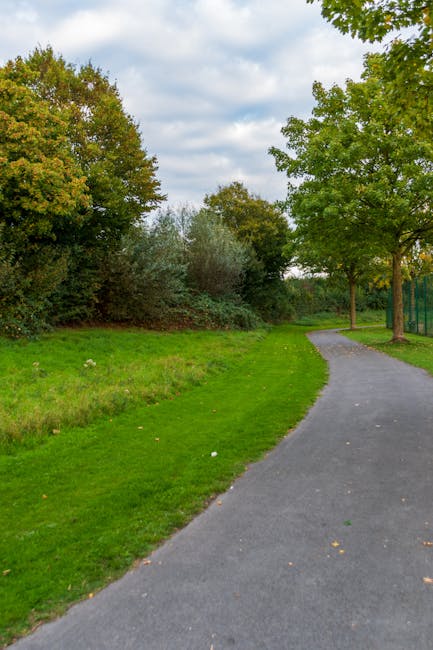
Access problems for gardeners on Scrubs Lane drives and fixes
If you garden on Scrubs Lane, you already know the real challenge is not always the soil, the weather, or even the planting plan. Sometimes it is simply getting to the garden in one piece, with the right tools, without blocking a neighbour, and without spending half the morning moving bins, bikes, or parked cars. Access problems for gardeners on Scrubs Lane drives and fixes can sound like a small operational issue, but in practice it affects timing, safety, cost, and the quality of the work. It can turn a straightforward visit into a bit of a shuffle. And, to be fair, a badly thought-out drive can make even light maintenance feel like a full-scale project.
This guide breaks down the common access barriers gardeners face on drives, front paths, rear entries, side alleys, and shared access routes around Scrubs Lane, then shows how to fix them in a sensible, durable way. You will get practical steps, planning tips, a comparison table, a checklist, and a few realistic examples from day-to-day work. If you are trying to make a property easier to maintain, or simply want your gardener to arrive, unload, and get on with it, this is the place to start.
Table of Contents
- Why access problems matter
- How the access issue typically shows up
- Key benefits of fixing access properly
- Who needs this and when it makes sense
- Step-by-step guidance
- Expert tips for better results
- Common mistakes to avoid
- Tools, resources and recommendations
- Law, compliance, standards and best practice
- Options and comparison table
- Case study example
- Practical checklist
- Conclusion
- Frequently asked questions
Why Access problems for gardeners on Scrubs Lane drives and fixes Matters
Access is one of those things people only notice when it goes wrong. A narrow drive, a steep step, a locked side gate, or a cluttered rear passage can all create friction before the first rake is even lifted. For gardeners, that friction matters because gardening is physical work. Wheelbarrows need room to turn. Hedge trimmers need safe unloading. Bags of compost, slabs, fencing panels, mowers, pressure washers, and waste sacks all need a route in and out.
On a busy road environment like Scrubs Lane, the practical reality can be even trickier. There may be commuter parking, shared entrances, tight corners, limited set-down space, and neighbouring properties that all depend on the same access point. That is why good access planning is not just convenience. It protects the work, the customer relationship, and the site itself.
There is also a financial side. Poor access can mean longer labour time, more manual handling, extra visits, or the need for different equipment. A team that has to carry materials by hand for 40 metres through a narrow passage is not working as efficiently as one that can park close, unload safely, and get straight to it. You feel that difference in the quote, and in the finish.
For homeowners, landlords, and managing agents, fixing access issues can also improve how a property functions day to day. A well-designed drive and gate layout makes it easier to keep hedges trimmed, lawns maintained, patios cleaned, and planting beds topped up. In other words, access shapes maintenance. It is the quiet bit that keeps everything else moving.
How Access problems for gardeners on Scrubs Lane drives and fixes Works
The basic idea is simple: identify what stops a gardener moving smoothly from street to work area, then remove or reduce that barrier. In practice, the issue usually appears in one of four places.
- Street-to-property access: no safe parking space, awkward kerb height, or busy traffic preventing unloading.
- Driveway access: narrow width, tight turning circle, low walls, overhanging branches, or uneven surface.
- Gate and path access: locked gates, narrow side passages, poor lighting, slippery paving, or awkward steps.
- Garden working access: too little room to move tools, get a mower through, or take waste back out.
Fixes fall into two groups: physical changes and operational changes. Physical changes include widening a gate, repairing uneven paving, cutting back overgrown hedging, improving lighting, or altering a route to the back garden. Operational changes are the smarter scheduling and logistics decisions: booking off-peak times, agreeing parking arrangements, staging materials on site, using smaller equipment, or choosing maintenance methods that create less waste and less movement.
In many cases, the best outcome is a mix of both. A gardener might not need a full reconstruction of the drive. Sometimes the quickest win is simply trimming a hedge, clearing clutter from the access path, and agreeing where the van can stop for ten minutes. That tiny change can make the whole visit smoother. It sounds basic, but it works.
When the access issue is more persistent, the fix becomes a site-planning exercise. The gardener or customer looks at the route, notes where the bottleneck is, and decides whether to adapt the route, adapt the equipment, or adapt the layout. It is a calm, practical process. No drama required, thank goodness.
Key Benefits and Practical Advantages
Sorting access is not just about convenience for the gardener. It has knock-on benefits for the entire property.
- Faster work: less time spent carrying tools and materials means more time spent actually gardening.
- Lower risk of damage: fewer awkward manoeuvres reduce the chance of scuffed walls, broken pots, or crushed planting edges.
- Better safety: clear routes reduce slips, trips, and handling strain.
- Cleaner results: if waste can be removed efficiently, the garden is left tidier.
- More accurate quoting: when access is understood upfront, estimates are more realistic and less likely to shift later.
- Improved long-term maintenance: good access makes recurring jobs like mowing, pruning, and patio cleaning more manageable.
There is another benefit people sometimes miss: better access often improves the look of the garden too. A route that is wide enough, well lit, and uncluttered naturally makes the whole space feel more ordered. If you are already thinking about a wider garden refresh, it can pair neatly with ideas from a garden makeover plan that starts from neglected areas or with more practical work such as regular garden maintenance.
And yes, it can save money over time. Not always dramatically, but enough to matter. A site that is easy to work on tends to need fewer workaround hours and fewer repeat fixes. That is plain common sense, really.
Who This Is For and When It Makes Sense
This topic matters to more people than you might think. It is not only for large properties or commercial sites.
- Homeowners who struggle with narrow drives, side access, or rear-garden-only entry.
- Landlords and managing agents who want maintenance visits to be predictable and low-friction.
- Busy families where bins, bikes, prams, and outdoor toys keep getting in the way.
- Older residents who want a safer, less awkward route for regular garden care.
- People planning landscaping who want the finished space to be maintainable, not just attractive.
It makes sense to address access problems when you notice repeated little annoyances: the mower will not fit through the gate, the hedge blocks the path, the gardener has to park too far away, or bags of soil have to be carried around the building. If you are planning work like landscaping improvements, new fencing, or decking upgrades, it is especially worth fixing access first. Otherwise you end up designing around a problem that should have been solved earlier.
Truth be told, some people only spot the issue after the first work visit. That is okay. The important bit is to recognise it and make the route better before it becomes a habit.
Step-by-Step Guidance
Here is a practical way to deal with access problems without overcomplicating things.
- Walk the route from street to work area. Do it slowly. Look for pinch points, low branches, locked gates, slippery paving, steps, and anything that forces a detour.
- Measure the tight spots. Not every site needs exact engineering figures, but you should know whether a mower, wheelbarrow, or compact pressure washer can physically pass through.
- Note the daily obstacles. Think parked cars, bin days, children's toys, overgrown plants, bins chained across the route, or delivery items left in the way.
- Choose the least disruptive fix first. Often that means cutting back growth, moving storage, adding a catch latch, or changing where tools are unloaded.
- Upgrade the route if the bottleneck is structural. Consider repaving, widening a gate, repairing a broken step, adding a handhold, or improving lighting.
- Set a working arrangement. Agree parking, key access, waste removal, and arrival times so the same issue does not keep repeating.
- Review after the first visit. Small access changes sometimes reveal a second problem. That is normal. Adjust and continue.
A useful clarification: not every access issue needs building work. Gardeners often solve the problem with a few sensible changes and the right tools. If you want to compare what equipment makes access easier, take a look at tools that make garden jobs less awkward. Compact, lightweight kit can be a surprisingly effective fix.
One more thing. If a route looks fine in daylight but awkward in the evening, that still counts. Access is not just about width. It is also about visibility, footing, and confidence moving through the space.
Expert Tips for Better Results
In our experience, the best access fixes are the ones that make the site easier to maintain next month, not just easier to work on today.
- Trim growth with access in mind. Hedge and shrub pruning can open up a route quickly. A dense hedge that leaks thorns into a passage is a classic nuisance. If that sounds familiar, professional hedge trimming can make an immediate difference.
- Keep the first metre clear. The entrance area is where most turning, lifting, and unloading happens. It should stay uncluttered.
- Use hardwearing surfaces where people turn. Loose gravel looks nice but can be annoying for wheels and heavy loads. Not always a deal-breaker, but worth thinking about.
- Think about seasonal changes. Wet leaves, frost, moss, and mud can turn a decent route into a slippery one very quickly. If the route is already tight, winter makes it worse.
- Match the route to the job. Lawn care, pruning, tree work, and patio cleaning all need different movement patterns. A one-size-fits-all access plan often falls short.
- Ask for a pre-visit photo. A few pictures of gates, paths, and parking points can prevent a lot of guesswork.
If access is blocked by overgrowth, the fix may start with the plants rather than the paving. For example, a side passage can become much more usable after selective pruning, or after replacing a dense hedge with something more manageable. If privacy is still important, fast-growing hedge choices and evergreen climbers for dim corners can restore screening without swallowing the access route.
A small human aside: the garden is often trying its best to reclaim the path. Nature is persistent like that.
Common Mistakes to Avoid
Access problems tend to get worse when people assume they will sort themselves out. They usually do not.
- Ignoring the route until work day. By then, the easiest fixes are already off the table.
- Measuring only the width of the gate. Turning room and approach angle matter too.
- Leaving clutter in "temporary" spots. Temporary often becomes permanent. Bins, bikes, sacks, and planters have a way of settling in.
- Forgetting about waste exit. It is one thing to get materials in; it is another to get cuttings, rubble, or green waste back out.
- Choosing attractive but impractical materials. A lovely surface can still be a poor access route if it is slippery or hard to wheel over.
- Not briefing the gardener properly. If there is a hidden step, a locked side gate, or a shared drive arrangement, say so upfront.
Another mistake is assuming every access issue needs a permanent build. Sometimes a lighter-touch approach is better. For example, if a route is only awkward because of recurring overgrowth, a seasonal maintenance plan may be enough. You do not need to rebuild the whole garden because a shrub has gotten ambitious. It happens.
And just because a drive is long or narrow does not mean it is unusable. It often means the work needs planning, not panic.
Tools, Resources and Recommendations
The right tools can reduce access strain more than people expect. Not glamorous, maybe, but effective.
- Compact wheelbarrows or garden carts: helpful on narrow routes and in tight turns.
- Lightweight cutting tools: easier to carry through awkward passages and less tiring over a long day.
- Long-reach pruners: useful when hedges are blocking a path but access is limited.
- Folding hand tools: good for small spaces and quick maintenance visits.
- Temporary route markers: useful when a team needs to avoid soft ground, fresh planting, or fragile edging.
- Good lighting and simple storage: a tidy route is a safer route.
For general garden planning, a few related resources can also help shape the right solution. If your space needs a simpler upkeep routine, low-maintenance garden ideas can reduce the volume of heavy work. If you are dealing with a small or unusual layout, container gardening and vertical gardening can reduce congestion at ground level. That is a clever little win, especially where every metre counts.
For risk and service planning, it is also sensible to review insurance and safety guidance, plus the site's health and safety policy if the work involves heavier lifting or mixed access routes. If you want to understand pricing expectations before booking, the page on pricing and quotes is worth reading.
Law, Compliance, Standards and Best Practice
Access planning can touch on safety and duty of care, so it is worth handling carefully. In the UK, there is no single garden-access rulebook that covers every property type, but practical best practice is clear enough: keep routes safe, avoid unnecessary hazards, and make sure people can move around without tripping, slipping, or overreaching.
If the work is being carried out by a professional gardener or contractor, the basics usually include:
- safe manual handling of tools and materials,
- clear communication about gates, parking, and locked areas,
- reasonable care around uneven surfaces and obstacles,
- respect for neighbouring access and shared spaces,
- attention to public-facing pathways where members of the public may pass.
For properties with shared drives, communal entrances, or rented layouts, it is sensible to check who controls which part of the access route before making changes. That avoids awkward conversations later. Not fun, but necessary.
Where access issues are linked to fencing, gates, trees, or structural elements, it is wise to keep the work within a properly planned maintenance programme. For example, overgrown branches may need professional attention under a tree management plan, while damaged boundaries may need repair rather than patching. If the site has a lot of boundary congestion, tree surgery and fencing services can help restore a usable route.
Finally, if accessibility is part of the concern, review the site's accessibility statement and the practical layout of the property together. The aim is not to over-formalise things. It is to make sure the space works for the people who need to use it.
Options, Methods, or Comparison Table
There is no one perfect fix. The right option depends on whether the problem is temporary, seasonal, structural, or logistical. Here is a simple comparison to help you decide.
| Option | Best for | Typical effort | Notes |
|---|---|---|---|
| Clear the route and reorganise storage | Cluttered entrances, blocked side paths | Low | Fastest fix; often worth doing first |
| Cut back hedges and overgrowth | Narrow passages, low branches, thorny access | Low to medium | Can immediately improve turning space and visibility |
| Use smaller or lighter equipment | Long carries, tight gates, awkward turns | Low | Good operational fix when the structure cannot change |
| Repair paving, steps, or thresholds | Trips, slips, uneven access routes | Medium | Better for safety and long-term use |
| Widen gates or adjust layout | Persistent bottlenecks | Medium to high | Most effective where repeated garden maintenance is planned |
| Plan timed access and parking | Busy streets, shared drives, limited kerb space | Low | Often overlooked, but very effective on Scrubs Lane |
If the problem is mainly cosmetic clutter and plant overgrowth, start there. If it is a physical choke point, move toward structural changes. Simple logic, but easy to miss when everyone is rushing.
Case Study or Real-World Example
Here is a realistic example based on the kind of access problem gardeners run into on local urban drives.
A homeowner had a narrow side route from the front drive to the rear garden. The gate opened only partially because a shrub had grown into the swing path, and a recycling box sat permanently in the same spot. The gardener could get through, but only by turning sideways with tools, then making two extra trips for waste. It was tedious and, honestly, a bit annoying for everyone involved.
The fix was not dramatic. First, the shrub was reduced and reshaped to reclaim the swing arc. Second, the box storage was moved to a less congested point near the drive. Third, the gardener brought in lighter equipment for recurring maintenance visits. That was enough to change the whole rhythm of the job.
On the next visit, the work started on time, the route stayed clear, and the waste could be moved out without blocking the path. No new paving. No expensive rebuild. Just a few smart changes.
That is the thing about access fixes: the best ones often look small from the outside. But they make a garden feel more manageable straight away.
Practical Checklist
Use this quick checklist before your next garden visit or access review.
- Can a gardener reach the property without awkward parking or unloading?
- Is the gate wide enough and free from obstruction?
- Are paths, steps, and thresholds even, dry, and well lit?
- Is there enough turning space for tools, waste sacks, and a wheelbarrow?
- Have hedges, branches, or climbers narrowed the route?
- Are bins, bikes, toys, or garden furniture blocking the working line?
- Can waste be taken back out without crossing soft planting areas?
- Has the gardener been briefed on keys, locks, neighbours, and shared access?
- Is the route still safe in wet, frosty, or leaf-fall conditions?
- Do you need a maintenance plan to keep access open all year?
Expert summary: if the route is clear, safe, and predictable, the work is easier, quicker, and usually better value. That is the short version. The longer version is everything else in this article.
If you are ready to talk through a site access issue, a garden update, or a maintenance plan that fits your layout, you can always get in touch here. A quick conversation at the start can save a lot of back-and-forth later.
Get a free quote today and see how much you can save.
Conclusion
Access problems for gardeners on Scrubs Lane drives and fixes are rarely about one single fault. Usually it is a mix of tight space, clutter, overgrowth, poor lighting, or a route that was never designed with maintenance in mind. The good news is that most of these issues are fixable, and often without major disruption.
The smartest approach is simple: look at the route, remove the blockage, and choose the lightest effective solution first. Sometimes that means cutting back a hedge. Sometimes it means changing how tools are brought in. Sometimes it means making one modest structural improvement that pays off every time someone needs to work in the garden.
Get the access right, and everything else becomes easier. The work feels calmer, the garden stays tidier, and the whole property just flows better. That matters more than people realise. Really, it does.
Frequently Asked Questions
What are the most common access problems for gardeners on Scrubs Lane?
The usual problems are narrow drives, blocked side passages, awkward parking, overgrown hedges, locked gates, uneven paving, and limited space for turning tools or waste sacks. Busy shared access can make it worse.
How do you fix a narrow garden access path?
Start by clearing clutter, trimming overgrowth, and checking whether storage can be moved elsewhere. If the path is still too tight, look at smaller equipment, better route planning, or a gate and paving upgrade.
Do gardeners need direct driveway access to do a good job?
Not always. Many jobs can still be done if there is a usable pedestrian route and a sensible plan for unloading. The key is making sure the route is safe and practical, even if it is not ideal.
Should access issues be fixed before booking garden work?
Yes, if possible. Early planning helps the gardener quote accurately, choose the right tools, and avoid delays on the day. It also reduces the chance of damage or extra labour time.
What if the access route is shared with neighbours?
Shared access needs a bit more care. Agree parking, delivery times, and any temporary obstructions in advance. If the route is tight, keep it clear and avoid storing items in the shared section.
Can hedge trimming really improve access?
Absolutely. In many properties, hedges and shrubs are the main reason a route feels cramped. A good trim can restore width, improve light, and make turning much easier.
How do I know if the issue is a safety problem rather than just an inconvenience?
If people are slipping, twisting awkwardly, carrying tools through unsafe gaps, or lifting heavy materials over uneven ground, it is more than an inconvenience. That is the point where a proper fix becomes important.
Is it better to change the garden layout or just use smaller equipment?
It depends on the site. Smaller equipment is a good quick fix, but if the access bottleneck is structural and keeps causing problems, a layout change may be the better long-term answer.
What should I tell a gardener before they visit?
Tell them about parking, gate widths, locks, shared routes, steps, overgrowth, and anything that blocks the access path. A few honest details up front can save a lot of hassle later.
Do access problems affect pricing?
They can. If the gardener has to carry materials further, spend longer setting up, or use smaller equipment, the job may take more time. Clear access usually helps keep quotes simpler and more predictable.
What is the quickest fix for a messy access route?
The fastest fix is usually clearing clutter, moving storage, and trimming back anything that blocks the route. That alone often makes a dramatic difference, especially on tight urban drives.
When should I consider a bigger structural change?
If the same access problem keeps returning every season or every visit, a structural fix may be worth it. That might mean altering a gate, repairing paving, improving lighting, or redesigning part of the route.
Where can I learn more about making a garden easier to maintain?
Useful next reads include beginner gardening tips, weed control methods, and hedge trimming ideas for better structure. They all tie back to keeping the site manageable.