Health and Safety Policy for Gardeners Old Oak Common
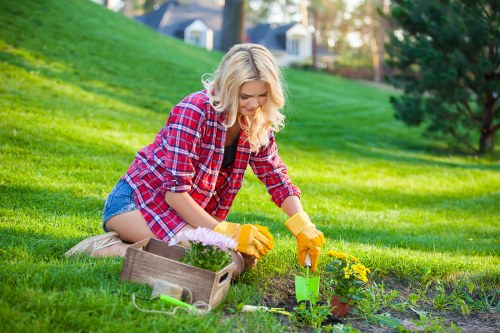 Our health and safety policy for gardeners is designed to support safe, responsible, and consistent working practices across all aspects of garden maintenance and outdoor care. Whether tasks involve lawn treatment, hedge trimming, pruning, planting, or seasonal clearance, safety must remain central to every activity. This policy sets clear expectations for gardeners, supervisors, and anyone involved in the delivery of services, helping reduce risk while maintaining a high standard of work.
We recognise that gardening environments can present a wide range of hazards, from sharp tools and powered equipment to uneven ground, lifting strain, weather exposure, and contact with plants or materials that may irritate skin or trigger allergies. For that reason, every gardener is expected to work with awareness, caution, and professional judgement. The aim is not only to prevent accidents, but also to encourage a culture where safe working practices are part of everyday routine.
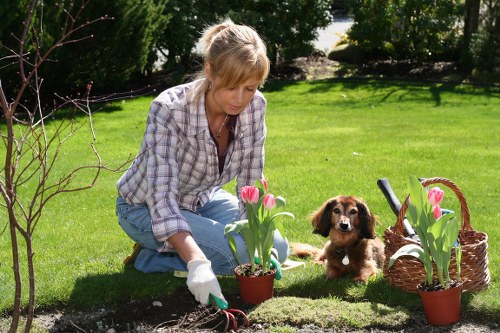 This policy applies to all work carried out by our team, including domestic gardens, shared outdoor spaces, and commercial grounds. It covers manual work, use of equipment, handling of materials, and movement around sites. A key principle of our gardening safety policy is that no job should be started without first considering the conditions, the tools required, and any foreseeable risks. If a task cannot be completed safely, it must be paused until suitable controls are in place.
Responsibilities and Safe Working Standards
All personnel must take reasonable care of their own safety and the safety of others who may be affected by their work. This includes keeping work areas tidy, storing tools properly, and following instructions for equipment use. Where a task involves machinery, lifting, chemicals, or working at height, the individual carrying out the task must be competent and authorised to do so. In addition, any garden maintenance safety process should be reviewed before work begins to confirm that the correct safeguards are in place.
Managers and supervisors are responsible for providing suitable training, checking that equipment is maintained, and ensuring that risk assessments are completed when needed. They must also make sure that gardeners have appropriate protective clothing and are not pressured to work in unsafe conditions. This includes monitoring fatigue, ensuring breaks are taken, and adapting work plans when the weather or ground conditions make tasks more hazardous.
 The use of personal protective equipment is mandatory where required. Depending on the task, this may include gloves, eye protection, hearing protection, sturdy footwear, high-visibility clothing, or face coverings for dust and spray exposure. Protective equipment must be worn correctly, kept in good condition, and replaced when damaged. A safe gardening policy should always recognise that PPE is the final layer of protection, not a substitute for careful planning or proper technique.
Risk Management in Garden Work
Risk assessments should be proportionate to the job but thorough enough to identify key hazards and control measures. Typical risks include slips, trips, cuts, repetitive strain, contact with irritant plants, noise from powered tools, and exposure to fertilisers or cleaning agents. Where relevant, areas should be checked for hidden hazards such as broken glass, loose paving, unstable structures, or signs of wildlife activity. These checks help ensure that gardener safety remains consistent across different sites and seasons.
Tools and equipment must be inspected before use, cleaned after use, and stored securely when not in operation. Any defect, damage, or malfunction must be reported immediately and the item taken out of service until repaired or replaced. Powered equipment should only be used by trained workers who understand starting, stopping, handling, and emergency procedures. Good maintenance is a core part of our health and safety standards, as it reduces the chance of avoidable incidents and improves reliability.
Manual handling is another important area of control. Loads should be assessed before lifting, and mechanical aids should be used wherever possible for heavy or awkward items such as compost bags, pots, soil, or waste containers. If a load is too heavy, too large, or unstable, it should be split into smaller sections or moved with assistance. Safe posture, clear communication, and planning the route in advance all help to prevent strain injuries and improve overall working comfort.
Working Conditions, Welfare, and Incident Reporting
Weather can significantly affect outdoor work, so appropriate measures must be taken for heat, cold, wind, rain, and sunlight. Gardeners should be provided with suitable clothing and encouraged to drink water regularly, rest when needed, and seek shelter during severe conditions. In wet or icy weather, surfaces may become slippery and tasks may need to be delayed or adjusted. Exposure to strong sunlight also requires regular use of sun protection, particularly during longer jobs.
Welfare arrangements should support safe and sustainable work. This means having access to drinking water, rest periods, and sanitary facilities where reasonably practicable. Workers should not be expected to continue if they feel unwell, dizzy, or physically unable to carry out a task safely. A practical gardening health and safety policy must respect human limits and ensure that productivity never takes priority over wellbeing.
 All incidents, near misses, injuries, and equipment failures must be reported promptly so that corrective action can be taken. Reporting helps identify patterns, improve procedures, and prevent similar events from happening again. Even minor injuries should be recorded, especially where they may indicate a wider problem with training, equipment, or site conditions. Regular reviews of this information support continuous improvement and reinforce a strong safety culture.
Review, Training, and Continuous Improvement
Training is essential to keeping this policy effective. Gardeners should receive induction covering hazards, emergency action, correct tool use, handling of materials, and basic first aid awareness. Refresher training should be provided when procedures change, new equipment is introduced, or when incidents show that further instruction is needed. A well-trained team is more confident, more efficient, and better able to work safely in varied conditions.
We also review this policy regularly to ensure it remains suitable, current, and practical. Changes in work methods, equipment, legislation, or risk profile may require updates to controls and training. The review process should involve practical feedback from day-to-day work observations, not testimonials or promotional comments, but factual information about what improves safety and what needs refinement. This keeps the policy relevant and effective.
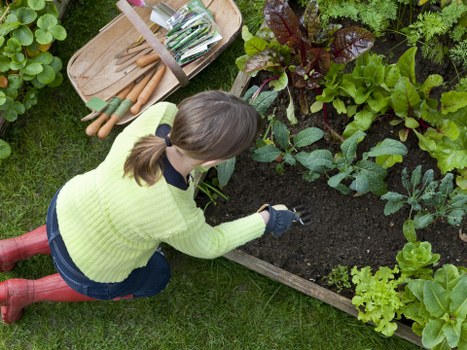 Ultimately, our commitment is to maintain a safe, organised, and professional approach to all garden work. By following clear procedures, using equipment responsibly, and taking hazards seriously, we can protect workers, clients, and the wider public. A strong health and safety policy for gardeners is not just a formal document; it is a daily standard that supports quality, care, and responsible service delivery.