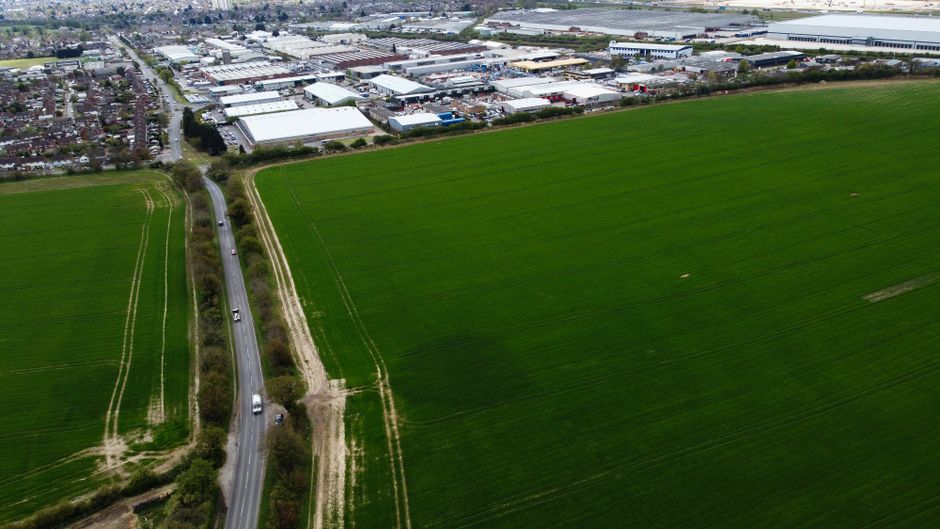
Commercial gardening contracts for Old Oak Common businesses
If you manage a shopfront, office courtyard, school entrance, housing site, or managed commercial property in Old Oak Common, the outside space says a lot before anyone even steps through the door. Commercial gardening contracts for Old Oak Common businesses give you a reliable way to keep that first impression sharp, safe, and manageable through every season. They also remove a surprising amount of stress. No more scrambling for one-off fixes when the hedge suddenly looks unruly or the lawn has turned patchy after a wet spell.
In practical terms, a contract is simply an agreed schedule of garden and grounds care, built around your site, your budget, and your priorities. That might mean weekly mowing, seasonal pruning, hedge care, litter removal, patio cleaning, or a broader maintenance plan. The best contracts are not just tidy paperwork. They are a working relationship that keeps outdoor areas looking presentable without you having to chase it every other week. Let's face it, business owners have enough to think about already.
Below, you'll find a clear guide to how these contracts work, what they usually cover, how to choose the right level of service, and which mistakes tend to cost businesses time or money later on. There's also a checklist, comparison table, and a practical example to help you make sense of it all.
Table of Contents
- Why Commercial gardening contracts for Old Oak Common businesses Matters
- How Commercial gardening contracts for Old Oak Common businesses Works
- Key Benefits and Practical Advantages
- Who This Is For and When It Makes Sense
- Step-by-Step Guidance
- Expert Tips for Better Results
- Common Mistakes to Avoid
- Tools, Resources and Recommendations
- Law, Compliance, Standards, or Best Practice
- Options, Methods, or Comparison Table
- Case Study or Real-World Example
- Practical Checklist
- Conclusion
- Frequently Asked Questions
Why Commercial gardening contracts for Old Oak Common businesses Matters
Outdoor areas are part of the business experience, even if they are not the main thing you sell. A neat frontage can make a cafe feel welcoming, a managed hedge can make an office park look cared for, and a clean, well-kept communal landscape can reduce complaints from tenants or visitors. In a busy part of London, that sort of consistency matters more than people sometimes admit.
Commercial gardening contracts are especially useful where appearances, access, and safety all matter at once. Overgrown planting can block sightlines, make entrances feel cramped, or turn into a nuisance after a few windy days. Wet leaves on paved areas? Slippery. Weeds through hard landscaping? Not dangerous every time, but certainly not ideal. And if a site has regular footfall, the small problems tend to announce themselves quickly.
For Old Oak Common businesses, the local reality is straightforward: space is often tight, schedules are often full, and there is little appetite for recurring outdoor issues. A contract turns maintenance into a planned routine rather than a series of emergencies. That alone can save money over time, because most garden problems are cheaper to prevent than to correct.
There's also a branding angle. A tidy exterior can support a premium feel without being flashy. That matters for customer-facing premises, but it can matter just as much for offices, landlords, managed estates, schools, and hospitality sites where confidence and order count. People notice the edges, the lines, the little things. They may not say it out loud, but they notice.
For businesses that want to improve privacy, soften boundaries, or tidy larger green areas, it can help to explore related guidance such as fast-growing hedge choices for better screening and professional hedge trimming in Old Oak Common. Those topics often sit naturally inside a commercial maintenance plan.
How Commercial gardening contracts for Old Oak Common businesses Works
A commercial gardening contract is usually built in layers. First comes a site review. Then comes a scope of work. After that, the provider sets a schedule, agrees on reporting or communication, and defines what happens if weather, access, or seasonal growth changes the plan. It sounds formal, but in reality it's often quite practical.
Most contracts start by identifying the areas that need attention. That could include lawns, beds, hedges, shrubs, trees, paths, decking, patios, fencing lines, and entry planting. Some sites need all of that. Others only need a narrow set of tasks. The point is not to over-specify. The point is to make sure nothing important gets missed.
A good contract usually answers a few simple questions:
- What areas are included?
- How often will visits happen?
- Which tasks are routine, and which are seasonal or optional?
- Who is the contact person for the site?
- What happens if weather delays work?
- How are extra works approved?
That last point is more important than people expect. If a gardener finds a storm-damaged shrub or a blocked drainage edge, the contract should make clear whether the issue is handled straight away, priced separately, or flagged for approval first. Clean communication avoids awkward surprises later.
Many businesses also use a mixed approach: regular maintenance plus occasional project work. For example, a site might have scheduled mowing and hedge care, with a one-off landscaping refresh in spring. If your business space needs more than basic upkeep, it can be worth pairing contract maintenance with broader landscaping support or ongoing garden maintenance so the site evolves rather than just stays barely under control. That's a better long game, truth be told.
Key Benefits and Practical Advantages
The biggest benefit is consistency. A regular contract means your outdoor areas are looked after before they start to look tired. That steady rhythm matters in commercial settings, where one missed month can make a site look neglected very quickly.
Here are the practical advantages businesses usually feel first:
- Predictable presentation: your grounds stay in good shape instead of swinging between "fine" and "bit of a mess".
- Better site safety: regular clearing, trimming, and inspection reduces avoidable trip and visibility issues.
- Less management hassle: one agreed plan is easier than repeated ad hoc calls.
- Seasonal readiness: the site is prepared for growth spurts, frost, storms, or summer dry spells.
- Budget control: fixed or scheduled arrangements often make spending easier to forecast.
- Professional accountability: you know who is responsible for what, and when.
There's also a quieter benefit that is easy to overlook: morale. Staff and visitors generally respond better to spaces that feel cared for. A small planted area near a staff entrance, for example, can change the tone of the whole arrival experience. Not dramatic. Just better. Sometimes better is enough.
If your site includes hard surfaces, sheltered corners, or shared outdoor amenities, the contract can also include extras such as patio cleaning, decking services, or fencing maintenance where relevant. Those details matter because a commercial outdoor area is rarely just plants. It is a whole environment.
Who This Is For and When It Makes Sense
Commercial gardening contracts are a good fit for any business or organisation that needs the outside to remain presentable, safe, and manageable across the year. That includes offices, retail premises, hospitality sites, nurseries, schools, apartment blocks, industrial estates with green edges, business parks, and landlord-managed properties.
It makes especially good sense when one or more of the following are true:
- your site has regular visitor traffic;
- you manage multiple outdoor areas;
- the garden or grounds are visible from the street;
- you've had recurring issues with weeds, hedge growth, or leaf build-up;
- you need a dependable contractor rather than one-off help;
- your team has no time to supervise garden work closely;
- you want the site to reflect a more professional standard.
Sometimes a business doesn't need a full contract straight away. A smaller site might only need seasonal visits, hedge care, and occasional lawn work. Other sites begin with a light-touch plan, then expand once it becomes obvious how much time the arrangement saves. Either route can work. The important thing is matching the service to the actual site, not the other way around.
If your main concern is getting a neglected plot back under control, it may help to read about a garden makeover from neglect to flourish. That sort of reset often becomes the starting point for a long-term maintenance contract.
Step-by-Step Guidance
If you're considering commercial garden care for your business, the process is usually simpler than people imagine. Here's a practical way to approach it.
- Walk the site properly. Look at entrances, visible frontage, side passages, service routes, planted beds, and anywhere people walk or gather. Note the trouble spots.
- List the outcomes you want. Do you need better presentation, safer access, more privacy, reduced weeds, or less seasonal mess? Be specific.
- Separate routine work from occasional work. Mowing and weeding may be routine. Tree reductions or fence repairs may be occasional. Keeping them apart makes the contract cleaner.
- Ask for a clear scope. The agreement should say exactly what is included, how often, and what counts as an additional task.
- Check access and timing. Some sites need early morning visits. Others need work outside trading hours or around school drop-off times.
- Agree how updates will work. Simple site reports, photos, or email updates can save back-and-forth.
- Review seasonally. Growth changes through the year. What works in March may not be enough in June. A good contract adapts.
A practical note: if you are unsure where to begin, focus on the highest-visibility areas first. Front entrances, main paths, and customer-facing borders usually deliver the fastest improvement. It is a bit like tidying the living room before the spare room. Not everything has to happen at once.
For businesses with lawns as a central feature, a dedicated lawn mowing service or broader lawn care arrangement can be a sensible foundation before layering in planting or hedge work.
Expert Tips for Better Results
After years of looking at what makes a commercial maintenance plan actually work, a few patterns stand out. The best results usually come from clear priorities, realistic scheduling, and honest communication. Nothing flashy.
- Prioritise visual lines. Keep sightlines open near entrances, signage, and car parks. A tidy edge does more for perception than many people expect.
- Use the right planting strategy. In dim or awkward areas, choose plants that can cope rather than forcing high-maintenance displays. If you need ideas, see evergreen climbers for shady corners and ground cover plants for UK gardens.
- Plan around weather, not just dates. London weather can be a bit indecisive. A visit schedule needs some flexibility in wet or frosty periods.
- Keep hard surfaces in the plan. A pretty border next to a dirty patio does not quite land. Pair planting care with patio cleaning where needed.
- Ask for seasonal attention. Leaf clearance, winter cuts, spring feed, summer edging, autumn tidy-up. That rhythm matters.
- Do not ignore the small stuff. A few weeds by an entrance can make the whole site look unfinished. Annoying, but true.
A good contractor will also tell you when less is more. Businesses sometimes ask for too much planting in the wrong place, or they overcomplicate a site that really needs structure and simplicity. A calm, practical approach usually wins.
If privacy, screening, or boundary definition is part of the brief, keep in mind that hedge work and trimming often need their own timetable. The right approach can be supported by hedge trimming guidance and, where the site has taller vegetation, tree surgery support.
Common Mistakes to Avoid
Commercial contracts fail most often for boring reasons. Not dramatic reasons. The usual problems are vague scope, poor communication, and unrealistic expectations about how fast a site can be transformed.
- Being too vague about the work. "General gardening" sounds simple until nobody agrees what it actually includes.
- Choosing price alone. Cheap can become expensive if the work is patchy or inconsistent.
- Forgetting seasonal change. A plan that works in winter may collapse in spring growth.
- Ignoring access issues. Gated sites, shared entrances, alarms, parking restrictions, and working-hour limits all matter.
- Leaving safety out of the conversation. Slips, sharp tools, traffic routes, and public access need careful management.
- Expecting every problem to be solved at once. Sometimes the site needs stabilising before it can be improved.
One of the biggest traps is failing to separate maintenance from project work. Maintenance keeps a site tidy. Project work changes the site. Those are different jobs, and mixing them without clarity tends to create delays. It's a bit like asking for both a haircut and a full redesign in the same five-minute slot.
Businesses with overgrown edges or shared boundaries should also think about how hedge work is scheduled. If you know the site needs a specific level of regular care, it helps to keep that planned rather than waiting until the hedge becomes a visible problem. For many premises, that one change makes the biggest difference.
Tools, Resources and Recommendations
You do not need to become a gardener to manage a good contract, but it helps to understand the basic tools and service types involved. That way, you can speak clearly about what your site needs.
Common tools and service elements include:
- mowers and edge trimmers for lawn areas;
- hedge cutters and pruning tools for boundary planting;
- leaf blowers or collection equipment for seasonal clear-ups;
- pressure washing or manual cleaning for paved areas;
- mulch, compost, and soil improvers for beds;
- basic fencing checks for boundary protection;
- site notes or visit logs to track what was done and what is next.
For business owners who like to understand the wider service picture, the website's gardening services overview is useful context, and the about us page can help when you want to understand the team and the kind of work they focus on. If you're comparing service levels or planning budgets, pricing and quotes is also worth reviewing before you commit.
For sites with more organic waste than usual, composting and recycling green waste can reduce clutter and improve soil quality. A practical approach is outlined in recycling organic waste for fertile grounds. It is one of those behind-the-scenes habits that quietly improves everything.
If your grounds have unusual features, specific plant types, or awkward corners, don't force a generic plan. A better contract reflects the site you actually have, not a neat theoretical version of it.
Law, Compliance, Standards, or Best Practice
For commercial sites, gardening is not just about appearance. It can also touch on safety, access, and duty of care. The exact legal responsibilities depend on the site type and how it is used, so it is sensible to treat compliance as a practical conversation rather than an assumption.
At a minimum, good practice usually includes:
- clear safe access for staff, visitors, and contractors;
- care with tools, machinery, and work zones;
- attention to trip hazards, fallen debris, and slippery surfaces;
- protecting planted areas and nearby fixtures during work;
- recording agreed tasks and any site-specific instructions;
- using methods that suit the site's use, not just the plant material.
Where a business has public access, shared entrances, school-age users, vulnerable residents, or regular deliveries, it is sensible to be especially careful about timing and exclusion zones. A hedge cut at the wrong moment can be more than inconvenient if the path is busy. Common sense goes a long way here.
It is also wise to check how a contractor handles insurance, safety practices, and any relevant business policies. The pages on insurance and safety, health and safety policy, terms and conditions, and payment and security are helpful trust signals when you are making a commercial decision.
If you need a site that is more accessible and easier to navigate for visitors, it may also be worth considering how planting, steps, borders, and hard surfaces interact. A nice-looking garden that is awkward to use is not really doing its job.
Options, Methods, or Comparison Table
Not every business needs the same arrangement. Some want a broad maintenance contract. Others prefer focused visits. Here's a simple comparison to help you think it through.
| Approach | Best for | Strengths | Watch-outs |
|---|---|---|---|
| One-off visits | Quick tidy-ups or occasional problems | Simple to arrange, useful for short-term needs | Can become reactive and inconsistent |
| Seasonal maintenance | Sites with predictable growth or leaf fall | Balances cost and regular care | May miss fast-growing issues between visits |
| Full commercial contract | Busy or highly visible premises | Reliable, structured, easier to manage | Needs clear scope to avoid waste |
| Contract plus project works | Sites that need ongoing upkeep and upgrades | Flexible, good for evolving premises | Requires stronger planning and sign-off |
In practice, the "best" option depends on the rhythm of the site. A small office courtyard may do well with seasonal visits and occasional plant refreshes. A customer-facing site with lawns, hedges, and entrances probably needs something more regular. There's no virtue in buying more service than you need, but there is also no prize for under-maintaining a site and hoping nobody notices. They usually do.
Case Study or Real-World Example
Imagine a mixed-use commercial property in Old Oak Common with a small front lawn, a few shrub beds, a hedge line along the boundary, and a rear service area that collects leaves and litter. For months, the site was being managed reactively: one cut here, one hedge trim there, and a hurried tidy before tenant inspections.
The result was familiar. The frontage looked acceptable only just, the hedge line had started to pinch the path, and the rear area was getting steadily worse because nobody had defined it as part of a regular plan. Staff were spending time asking around for quick fixes. Not ideal.
After moving to a commercial gardening contract, the site was split into clear zones. The frontage got regular attention. The hedge line was trimmed at the right times of year. The rear area was included in the schedule, so leaf litter and weeds stopped becoming an afterthought. The garden did not become glamorous overnight, of course. But it became dependable. And honestly, that's what most businesses need.
One small but important change was adding periodic checks for hard surfaces and planting edges. That helped reduce the "almost tidy" feeling that often lingers when a site only receives basic mowing. If the property also had a tired seating area, a little extra work on outdoor surfaces and nearby planting helped the whole place feel more intentional. Small wins add up.
That kind of outcome is common when the contract matches the reality of the site rather than a generic list of tasks. It is not about doing everything. It is about doing the right things regularly.
Practical Checklist
Before agreeing to a commercial gardening contract, run through this checklist. It will save you time later.
- Site map reviewed: entrances, lawns, beds, boundaries, paths, and service areas identified.
- Priorities listed: safety, appearance, privacy, weed control, and seasonal work ranked clearly.
- Scope agreed: routine tasks and optional extras written down.
- Schedule understood: visit frequency and timing suit the business hours.
- Weather flexibility included: delays and rescheduling are covered.
- Access details confirmed: keys, gates, parking, alarms, and point of contact sorted out.
- Safety and insurance checked: important for any public or staff-access site.
- Review process set: how often the contract is revisited is clear.
- Budget expectations realistic: you know what is routine and what may be extra.
- Maintenance goals match the site: the plan is practical, not wishful.
If you can tick most of those boxes, you're in good shape. If not, the contract probably needs another look. Better to sort it now than to argue about missing hedge cuts in three months' time.
Conclusion
Commercial gardening contracts for Old Oak Common businesses are really about consistency, confidence, and control. They keep outdoor areas presentable, reduce avoidable problems, and make it much easier to manage a site without constantly firefighting. For businesses that care about first impressions, visitor safety, or the long-term condition of their grounds, a well-built contract is one of the simplest upgrades you can make.
The key is to be specific. Know what you need. Keep the scope clear. Allow for the seasons. And choose a maintenance approach that fits the actual rhythm of your site, not an idealised version of it. That is where the value lives.
Get a free quote today and see how much you can save.
When the outside space works properly, the whole place feels calmer. A little more ordered. A little more looked after. And that, in business, is never a bad thing.
Frequently Asked Questions
What are commercial gardening contracts for Old Oak Common businesses?
They are scheduled agreements for ongoing garden and grounds maintenance at commercial properties in Old Oak Common. They usually cover repeated tasks such as mowing, hedge care, pruning, weeding, and general tidy-ups.
Do I need a contract, or is one-off garden work enough?
If your site is small and only needs occasional attention, one-off work may be fine. But if the area is visible to customers, used regularly by staff, or prone to fast growth, a contract is usually more reliable.
What kind of sites benefit most from regular garden maintenance?
Offices, retail premises, managed estates, schools, hospitality sites, and landlord-managed properties often benefit most because appearance and safety matter all year round.
What should be included in a commercial gardening contract?
A good contract should set out the areas covered, the tasks included, the visit frequency, how weather delays are handled, and how additional works are approved.
How often should a commercial garden be maintained?
That depends on the site. Some spaces need weekly attention in growing season, while others can be managed with fortnightly or seasonal visits. The right schedule depends on how quickly the area changes.
Can a contract include both maintenance and bigger landscaping work?
Yes. Many businesses use a maintenance contract for routine care and then agree separate project work for improvements, redesigns, or problem areas that need more than regular upkeep.
How do I know if a contractor is suitable for a business site?
Look for clear communication, a sensible scope of work, attention to safety, and a professional approach to scheduling and updates. It helps if they can explain how they handle seasonal change and site-specific issues.
Are commercial garden contracts only about plants and lawns?
No. Many sites also need hedge care, boundary checks, patio cleaning, decking upkeep, leaf clearance, weed control, and general presentation work. Commercial maintenance is usually broader than people expect.
What are the most common mistakes businesses make?
The biggest mistakes are vague scopes, choosing price alone, ignoring seasonal growth, and not clarifying access or timing. Those issues sound small at first and become irritating very quickly.
How can I reduce costs without cutting quality?
Be clear about priorities, bundle routine tasks sensibly, and make sure the contract matches the actual site. Preventative care is often cheaper than repeated emergency fixes. That's usually the sweet spot.
Is hedge maintenance usually part of a commercial garden contract?
It often is, but not always. Hedge work can be included in the main contract or arranged as a seasonal task. If boundaries and privacy are important, it is worth making that explicit.
How do I get started if the site is already neglected?
Start with a site review and a reset plan. Once the worst problem areas are under control, a regular contract can keep things moving in the right direction. A neglected site can recover; it just needs a proper first step.