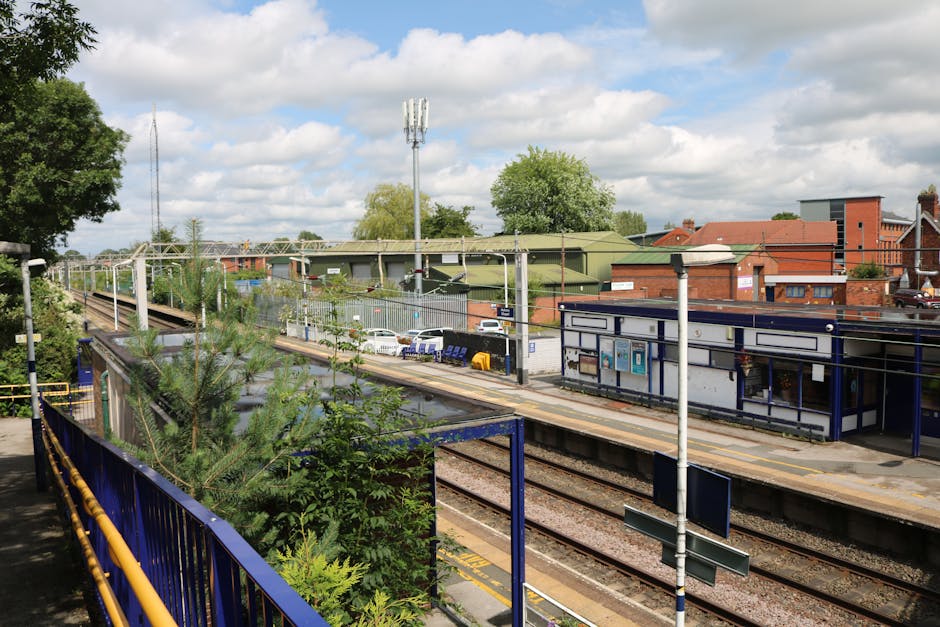
Choosing gardeners for flats near Old Oak Common station
If you live in a flat near Old Oak Common station, finding the right gardener is a little different from hiring someone for a house with a big back garden. Access can be tighter, communal rules can be stricter, and the work often needs to be tidier, quieter, and more coordinated with neighbours or a managing agent. That is exactly why Choosing gardeners for flats near Old Oak Common station deserves a more careful approach than a quick online search and a hopeful phone call.
This guide walks you through what matters, how to compare options, what good service looks like in a flat setting, and where people usually go wrong. You will also find a practical checklist, a comparison table, and a few useful internal resources if you want to dig deeper into lawn care, maintenance, privacy planting, and weather protection. Let's make it straightforward, not stressful.
Why Choosing gardeners for flats near Old Oak Common station Matters
Flat gardens, balconies, shared courtyards, roof terraces, and small communal strips all come with their own quirks. You are rarely just paying for "someone to cut things back". You are paying for judgement, consistency, and the ability to work well around limited space. Near a busy station area, there is also the practical side: deliveries, noise, foot traffic, and the fact that access may be awkward at peak times.
A good gardener for this kind of setting should understand that a tidy finish matters more when the outdoor space is visible to neighbours every day. One overgrown planter, one patch of weeds by the railings, and the whole space can feel neglected. On the other hand, a well-kept terrace or shared entrance planting can make a flat block feel calmer and more welcoming almost immediately.
To be fair, that is not just about looks. It also affects safety. Slippery patios, blocked drains, low-hanging branches, and trip hazards are the sorts of issues that need quick, careful handling. If you want the wider context, the site's health and safety policy and insurance and safety guidance are worth reviewing before you commit to a contractor.
Expert summary: For flats, the best gardener is not necessarily the one who can do the most jobs. It is the one who can do the right jobs, with minimal disruption, clean boundaries, and reliable communication.
How Choosing gardeners for flats near Old Oak Common station Works
The process is usually simpler than people expect, but there are a few moving parts. In a flat setting, the gardener often needs to assess access, permissions, water supply, storage space, and what equipment can be brought in without causing hassle. A balcony job might need hand tools and lightweight materials; a communal garden may need a more scheduled, tidy service approach.
Most good decisions start with a clear description of the space. You do not need to write a novel. Just be honest about what is there now and what feels impossible. For example: "small north-facing balcony, pots only, little sun, lots of wind, need low-maintenance planting" is much more useful than "need gardening help". Truth be told, the more exact you are, the better the quotes tend to be.
From there, a reliable gardener will usually ask about:
- the size and type of outdoor space
- access for tools and waste removal
- whether the area is private or shared
- maintenance frequency needed
- plant preferences, shade levels, and wind exposure
- any building rules or landlord restrictions
If your flat has a small lawned area or a shared patch that needs regular upkeep, services such as garden maintenance and lawn care can be more practical than booking one-off visits each season.
Key Benefits and Practical Advantages
The right gardener can save you time, but the stronger benefit is consistency. A flat exterior space that is looked after on a routine basis tends to stay usable longer and becomes easier to enjoy. You notice it in the small things: fewer weeds in the joints of the paving, cleaner edges around planters, and a space that does not suddenly turn into a weekend rescue mission.
Here are the main advantages people usually care about:
- Better use of limited space - compact areas need thoughtful planting and layout, not guesswork.
- Less disruption - a gardener who works neatly is a gift in a block of flats.
- Improved kerb appeal - even a modest entrance or balcony can look polished with the right upkeep.
- Safer surfaces - regular clearing helps reduce slipping and clutter.
- Smarter plant choices - the right species can handle shade, wind, and container life far better.
If privacy is a concern, especially on balconies or shared terraces, it is worth considering screening plants or trained climbers. The article on fast-growing hedge choices is useful if you are exploring greener privacy options, while evergreen climbers for dim corners is excellent for low-light spots.
Who This Is For and When It Makes Sense
This kind of service makes sense for several types of residents. If you are a busy commuter living close to the station, you may simply not have the time or tools to keep a small outdoor area in decent shape. If you are a landlord or managing agent, you may need dependable, repeatable results with minimal complaints from residents. And if you are a renter with permission to improve the space, you may want guidance that avoids costly mistakes.
It is also a good fit if you have:
- a balcony that collects windblown debris
- a small shared courtyard that needs routine care
- container planting that keeps drying out
- shaded corners where nothing seems to thrive
- a neglected outdoor area that needs a reset
- pets, children, or vulnerable neighbours to consider
If you are starting from scratch, the piece on beginner gardening tips can help you think more clearly about what is realistic. And if the space has gone a bit wild, moving from neglect to flourish is a decent mindset to bring to the first visit.
Step-by-Step Guidance
If you want to choose well, do not rush. A flat garden or balcony is small enough that one wrong plant choice or one sloppy visit can throw things off for months. Here is a sensible way to handle it.
- Define the space clearly. Note dimensions, sun exposure, wind, water access, and whether the area is private or communal.
- Decide what outcome matters most. Do you want tidiness, privacy, low maintenance, a relaxing feel, or all three? Be honest about your priority.
- Check the service scope. Some gardeners are brilliant at pruning and planting but less useful for regular upkeep. Others are better for ongoing maintenance than design work.
- Ask about materials and disposal. In flat settings, waste removal can be a surprisingly important detail. No one wants bags of cuttings lingering by the bins.
- Review safety and access planning. Good gardeners think about shared walkways, lift use, noise, and keeping tools out of the way.
- Request a quote with clear inclusions. If quotes are vague, you may be comparing apples with pears.
- Start with one visit or a short trial. That is often the easiest way to see how they work, communicate, and finish.
For pricing questions, the site's pricing and quotes page is a useful starting point. It is always better to understand what is included upfront than to untangle it later. We have all been there - the "simple job" that somehow grew arms and legs.
Expert Tips for Better Results
In our experience, the best results in flats come from keeping things realistic and seasonal. Containers dry out faster than ground beds. North-facing balconies behave differently from sunny terraces. Wind can be more damaging than people expect, especially high up or around open corners.
Here are a few practical tips that really help:
- Choose plants for the conditions, not for the photo. A beautiful plant that hates shade will become an expensive disappointment.
- Use structure first. Small spaces often look better with a few repeated shapes than with too many different species.
- Think vertically. Walls, trellises, and slim planters can make a tiny space feel more generous.
- Keep maintenance honest. If you will not water daily, do not build a design that demands it.
- Protect privacy early. Screens and climbers are easiest to establish before the space feels exposed.
If you want ideas that suit compact living, vertical gardening and container gardening for urban living are both highly relevant. And if your flat garden gets battered by gusts, creating a wind-smart garden is worth a proper read.
A small note here: the cheapest plant is not always the cheapest choice. If it fails in six weeks, you are back at square one. Annoying, and a bit pointless.
Common Mistakes to Avoid
Flat owners and managers often make the same few mistakes. They are understandable mistakes, but they can cost time and money.
- Choosing on price alone. A very low quote may leave out waste removal, plant supply, or proper follow-up.
- Ignoring access realities. If a gardener cannot easily reach the space, every job becomes slower and messier.
- Overplanting. Small spaces get cluttered fast. Less is often more.
- Forgetting building rules. In shared properties, there may be restrictions on noise, storage, or changes to communal areas.
- Buying "easy" plants that are not actually easy in your conditions. Shade, wind, and drying out are common troublemakers.
- Not asking what happens after the first visit. A good finish is one thing; keeping it tidy is the real game.
If weeds are becoming a recurring issue, do not just keep pulling and hoping. Read the practical guidance on weed-free gardening methods. It can save a lot of repetitive effort.
Another overlooked one: people forget about seasonal stress. Frost, storms, and prolonged wet weather can all change what your flat garden needs. For that, the articles on protecting plants from frost and severe weather protection are very handy.
Tools, Resources and Recommendations
A good gardener will bring the right tools, but you can still make the whole job easier by understanding what tends to be useful in flat settings. This is not about becoming a gardener yourself overnight. It is about asking smarter questions and spotting a well-prepared professional when you see one.
Useful tools and resources include:
- Hand tools and compact cutters for tight access and delicate container work
- Lightweight planters for balconies and roof terraces
- Mulch and compost to help pots hold moisture longer
- Watering cans or drip systems where hose access is poor
- Simple plant records so you know what was planted, when, and where
There are also a few site resources that fit this topic well. If you are looking at tidy finishes around hard surfaces, patio cleaning is useful. For more general upkeep, gardening services gives a broader overview, while about us can help you understand the team behind the work before you invite anyone in.
For small outdoor spaces that are meant to feel calming rather than busy, the pieces on zen garden styles and creating a relaxing seating oasis can spark ideas without pushing you toward overcomplicated design.
Law, Compliance, Standards, or Best Practice
For flat properties, the practical rules usually matter more than grand theory. You may need to consider lease terms, managing agent instructions, block rules, and shared responsibility for communal areas. If work is being done in common parts, it is sensible to confirm who approved it and who is responsible for ongoing maintenance. That avoids awkwardness later.
On the service side, the best practice is straightforward:
- use clear written quotes or job notes
- confirm access arrangements in advance
- check public liability cover where appropriate
- make sure waste handling is agreed before the visit
- keep communication polite and written when needed
If children or pets use the space, extra care matters. The article on safe outdoor spaces for children is a good reminder that attractive does not have to mean risky. For pet owners, the guidance on gardening with paws and plants is similarly useful.
Should you need reassurance around process and trust, the site also provides terms and conditions, payment and security, privacy policy, cookie policy, complaints procedure, modern slavery statement, and accessibility statement. In a real-world sense, those pages help show how a business handles customer care, responsibility, and transparency.
Options, Methods, or Comparison Table
Not every flat needs the same type of gardener. Some need one-off rescue work. Some need recurring maintenance. Some need a design-minded approach because the space is bare and awkward. The table below gives a simple way to compare the most common options.
| Option | Best for | Strengths | Watch outs |
|---|---|---|---|
| One-off tidy-up | Overgrown balconies, neglected planters, post-winter resets | Quick visible improvement, useful when you need a fresh start | May not solve ongoing upkeep needs |
| Regular maintenance | Shared courtyards, entrance planting, small lawns | Consistency, better plant health, less stress for residents | Needs scheduling and a sensible budget |
| Planting and design support | Newly created flat gardens or tricky spaces with poor light | Helps with plant choice, structure, and long-term layout | Less helpful if the main need is simple upkeep |
| Specialist work | Hedges, trees, fencing, or larger structural changes | Brings the right skill for more technical jobs | Often separate from routine garden care |
If your flat setting includes hedges or boundary planting, the dedicated hedge trimming page is especially relevant. For bigger boundaries or structure around the garden, fencing may also come into the conversation. And if the space is more ambitious than a few pots, landscaping can be the better fit.
Case Study or Real-World Example
Picture a small first-floor flat near the station with a narrow balcony, two planters, a tired chair, and a view that feels a bit too exposed. Nothing dramatic. Just a space that had become unused because it was messy, windy, and awkward. The owner wanted privacy and lower upkeep, but did not want the area to feel boxed in.
The practical route was simple: clear out dead material, reduce the number of pots, use a few stronger evergreen plants, and add a slim vertical support for a climber. A gardener working in that kind of space would likely avoid overfilling it. One or two good forms do more than a dozen little bits and pieces. It sounds obvious, but people often need permission to keep it simple.
After the first visit, the space becomes more usable: easier to step into, easier to water, easier to sit in with a coffee on a bright morning. You hear traffic and station noise, of course, but the little planted screen softens the feel of it. That is the real value of choosing the right gardener for a flat. Not glamour. Just a calmer, more workable everyday space.
Practical Checklist
Use this before you book anyone. It keeps the process grounded.
- Have I described the space accurately, including shade, wind, and access?
- Do I know whether the area is private, shared, or managed by a landlord?
- Have I decided whether I need one-off work or regular maintenance?
- Are waste removal and disposal included in the quote?
- Do I understand what tools or equipment will be brought on site?
- Have I checked for any building or lease restrictions?
- Do I want privacy, easier upkeep, better planting, or all three?
- Have I asked about insurance, safety, and expected timescales?
- Have I confirmed how follow-up visits are handled?
- Does the gardener sound practical, tidy, and easy to communicate with?
That last one matters more than people admit. You can usually tell quickly whether someone understands flat living or just treats it like a larger garden with less grass.
Get a free quote today and see how much you can save.
Conclusion
Choosing gardeners for flats near Old Oak Common station is really about matching the right kind of help to the realities of flat living. Small spaces need clear thinking, tidy work, and someone who understands access, privacy, weather exposure, and communal expectations. Get those things right, and even a modest balcony or courtyard can feel like part of the home again.
Do not be rushed by polished promises. Ask the awkward questions, compare like for like, and choose the gardener who seems to understand your space as it actually is, not as a glossy brochure version of it. That is how you get results that last. And honestly, that is the whole point.
When a flat garden works well, it changes the feel of the day in small ways. A better view in the morning. A cleaner step outside in the evening. A bit of green where there was only clutter before. Simple, really - but lovely all the same.
Frequently Asked Questions
What should I look for when choosing gardeners for a flat near Old Oak Common station?
Look for experience with small spaces, tidy working habits, clear quotes, and good communication. It helps if they understand balconies, courtyards, shared access, and low-maintenance planting.
Is regular maintenance better than one-off gardening for flats?
Usually, yes, if you want the space to stay consistently neat. One-off visits are useful for resets, but regular maintenance is better for shared areas, planters, and anything exposed to heavy use.
Can a gardener help with privacy on a balcony or terrace?
Yes. A good gardener can suggest climbers, screening plants, planters, or layout changes that make the space feel more private without making it cramped.
How do I know if a gardener understands flat living?
They should ask about access, noise, neighbours, disposal, and any lease or building rules. If they skip those basics, that is a warning sign.
What if my flat garden has lots of shade?
That is very common. Shade-tolerant planting, evergreen climbers, and careful container selection can make a big difference. The key is choosing plants for the actual conditions, not the ideal ones.
Do gardeners for flats need special equipment?
Not always, but compact, lightweight tools are often more appropriate. In tight access areas, a gardener who travels light can work more efficiently and with less disruption.
Should I ask about insurance before hiring a gardener?
Yes, especially if work involves shared spaces, tools, or higher-risk tasks. It is sensible to check that the business has suitable cover and follows safe working practices.
How can I keep garden costs under control in a flat?
Be clear about priorities, choose low-maintenance plants, and ask for a quote that separates regular upkeep from optional extras. A well-planned small space often costs less over time than a fussy one.
Can gardeners help with balconies as well as communal gardens?
Yes. Many gardeners can help with balconies, terraces, courtyards, front entrances, and other compact outdoor areas. The work just needs to be matched to the space.
What are the most common mistakes people make with flat gardens?
The biggest mistakes are overplanting, ignoring wind and shade, forgetting access issues, and booking purely on price. These spaces need practical decisions, not impulse buys.
How often should a flat garden be maintained?
That depends on the planting and exposure. Some spaces need monthly attention, while others may only need seasonal visits. A gardener should recommend a schedule based on what is actually there.
Can I get help with more than just planting?
Yes. Many projects also involve cleaning, edging, hedge trimming, basic landscaping, fence repair, or improving hard surfaces. It is often best to discuss the whole space, not just the plants.